The Kitchen Knife Sampling Process: A Step-by-Step SOP from Drawing to Confirmed Sample
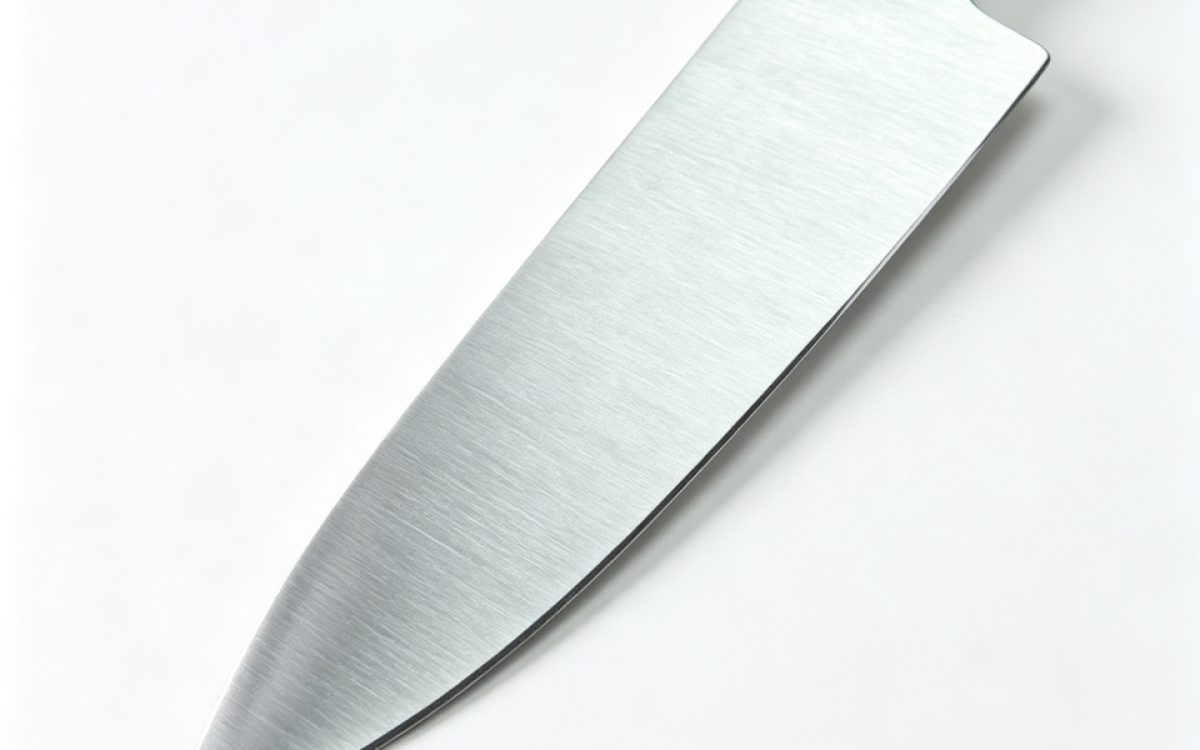
Sampling rounds fail for one reason more than any other: ambiguity. A drawing that a factory reads one way and a buyer reads another, a finish described in a word that means different things in two languages, a handle colour agreed from a photograph. Each ambiguity costs a round.
This article sets out a sampling sequence that gets to an approved sample in fewer rounds, and defines what "approved" means.
The stages
| Stage | Output | Who acts | Typical duration |
|---|---|---|---|
| 1. Requirement brief | Written specification and reference images | Buyer | Days |
| 2. Feasibility review | Factory comments, process questions, cost indication | Factory | 2–5 days |
| 3. Specification freeze | Signed-off spec sheet, versioned | Both | Days |
| 4. Prototype / appearance sample | Physical sample, not necessarily production process | Factory | 7–15 days |
| 5. Review and markup | Numbered comments against the spec | Buyer | Days |
| 6. Second round sample | Revised sample, production-intent process | Factory | 10–20 days |
| 7. Testing | Hardness, migration, dishwasher, as applicable | Laboratory | 1–3 weeks |
| 8. Gold sample approval | Signed sample retained by both parties | Both | — |
| 9. Pre-production sample | Sample from the actual line before the run | Factory | Days |
The two stages that are most often skipped are stage 3, freezing the specification, and stage 9, the pre-production sample. Skipping stage 3 causes repeated rounds; skipping stage 9 causes disputes about whether a bulk shipment matches the approved sample.
What belongs in the specification
A specification that survives translation and staff turnover has to be explicit about the things that are easy to leave verbal.
| Field | Must state | Failure if vague |
|---|---|---|
| Blade steel grade | Grade designation and standard | Substitution to a cheaper grade |
| Hardness | Target HRC with an acceptable band | Soft blades that pass a single-point check |
| Blade dimensions | Length, width, thickness at spine and at the edge shoulder, with tolerances | Weight and feel differ from sample |
| Profile | Drawing of the blade outline with key dimensions | Shape drift |
| Grind | Bevel type and angle, edge thickness at the apex region | Cutting behaviour differs — see grind types |
| Surface finish | Finish type and a reference photograph or physical standard | Finish mismatch between rounds |
| Handle | Material, colour reference (physical, not screen), construction, fastening | Colour and feel mismatch |
| Marking | Method, position, size, artwork file | Illegible or misplaced branding |
| Packaging | Structure, dimensions, artwork file, carton count | Dieline and volume differences |
| Weight | Finished piece weight with tolerance | Detects many process drifts at once |
| Tests required | Which tests, against which standard | Compliance gaps discovered at the border |
Weight is worth singling out: it is cheap to measure, and it catches steel thickness substitution, handle material substitution and assembly variation in one number.
Running the review rounds efficiently
- Number every comment and reference the spec line. "Handle feels light" generates a guess; "Item 7: finished weight 178 g vs 165 g specified — handle density appears lower" generates an action.
- Review all samples from a round together. Commenting piecemeal produces contradictory instructions.
- Photograph in consistent lighting next to a reference. Colour and finish cannot be judged across different lighting conditions.
- Cap the rounds. If a third round is needed for the same issue, the specification is the problem, not the factory.
- Say what is acceptable, not only what is wrong. Factories optimise toward the last comment made.
What "approved" means
A gold sample is a physical object that both parties hold, with a signed record of the specification version it represents. It is the reference for bulk inspection. Two rules make it useful:
- Both parties keep a sealed one. A single sample held by one party is a source of dispute.
- It is dated and versioned. When the specification changes, a new gold sample supersedes the old one, and the old one is marked superseded rather than left in circulation.
Where a bulk shipment is questioned, the comparison is against the gold sample, not against a memory or a photograph. This is the mechanism referred to in AQL inspection when it refers to defect classification.
Costs and who pays
Sample fees, tooling and testing costs are normally charged at cost or amortised. What matters more than who pays is that the amounts are agreed before the round starts. A sample fee that appears after the fact damages the relationship more than the amount warrants. See sampling and tooling costs and budgeting an NPD project.
FAQ
How many rounds should it take?
Two rounds is a good outcome for a new product. Three suggests specification problems; more suggests the brief was never clear.
Can I skip sampling for a repeat order?
For a repeat of an approved article at the same factory, yes — the gold sample covers it. For a new factory, a new grade or a new tooling set, no.
Do I need a physical sample if I have a good drawing?
Yes. Drawings do not communicate finish, felt weight or handle feel, and those are where knife samples most often disappoint.
What if the sample is right but production is not?
That is what the pre-production sample and an in-process control plan exist to catch. See in-process quality control.
Looking for a kitchen knife manufacturer?
We manufacture chef knives, knife sets, Damascus and steak knives in Yangjiang with OEM and private label service. Get a quote today.
Get Free Quote → Browse Products