US Tariffs and Section 301: Clearing Kitchen Knives Under HTS 8211
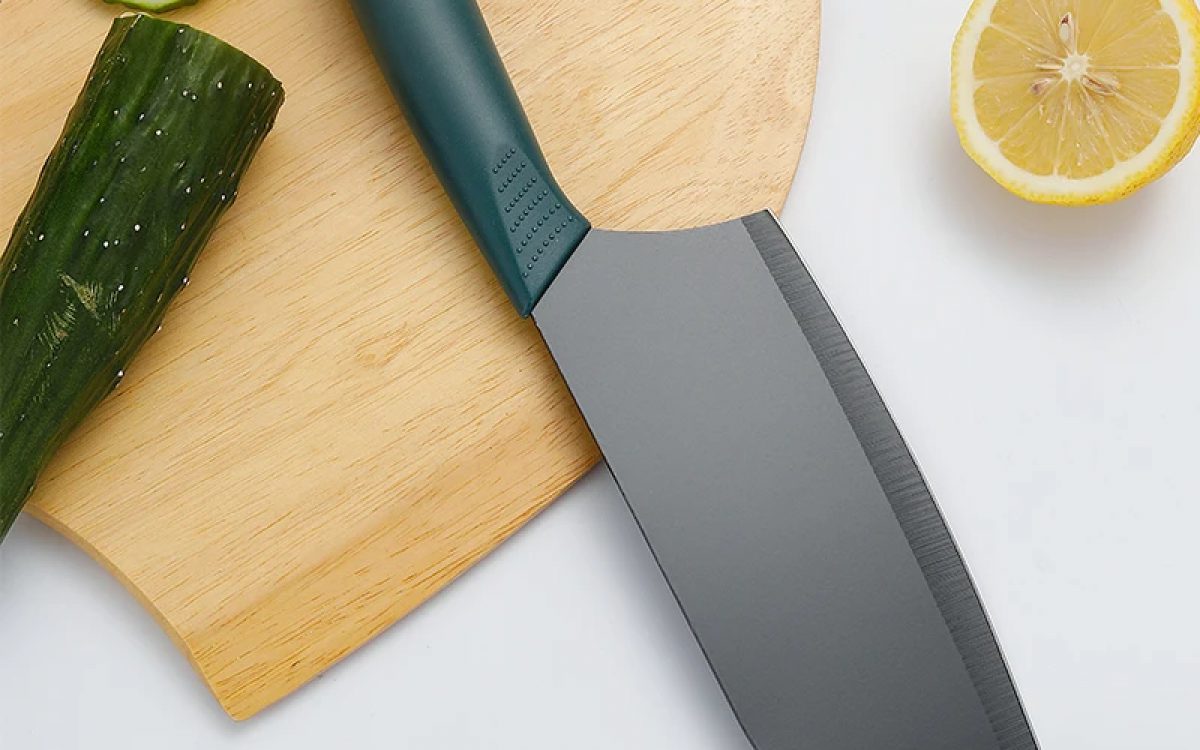
Cutlery entering the United States is classified in Chapter 82 of the Harmonized Tariff Schedule, most commonly under heading 8211. Getting the classification right matters more than the headline duty rate, because classification determines which additional measures apply on top of the base rate.
This article is a planning outline for importers and their brokers. Final classification and duty calculation must come from a licensed customs broker working from the tariff schedule in force on the date of entry.
The 8211 breakdown
| Subheading | Covers | Typical kitchen knife application |
|---|---|---|
| 8211.10 | Sets of assorted articles | Mixed knife sets where no single article gives the essential character |
| 8211.91 | Table knives having fixed blades | Steak and table knives with riveted handles |
| 8211.92 | Other knives having fixed blades | Chef's knives, paring knives, slicers — the main kitchen knife heading |
| 8211.93 | Knives having other than fixed blades | Folding and switchblade configurations |
| 8211.94 / 8211.95 | Blades and handles | Components imported separately |
A kitchen knife set is the classification question most often got wrong. Where a set contains knives of one type, it is normally classified as that knife. Where it contains genuinely assorted articles — for example a knife plus a sharpening steel plus shears — the set rule may apply. This is a broker question, and it changes the duty outcome.
Layers of duty
The duty on a knife entry is not one number. It is a stack, and each layer has its own legal basis and its own documentation.
| Layer | Basis | Notes |
|---|---|---|
| Base (Column 1 General) rate | HTSUS | For 8211 the base rate is low in absolute terms |
| Additional tariffs on Chinese-origin goods | Section 301 | Applied to specified HTS subheadings; the list and rate are set by USTR action and change |
| Anti-dumping / countervailing duty | Case-specific orders | Applies only where a case covers the product and origin — must be checked per entry |
| Merchandise Processing Fee | 19 CFR | Ad valorem, with minimum and maximum caps |
| Harbor Maintenance Fee | For ocean cargo | Applies to vessel shipments |
Crucially: the base rate is not the story. The additional tariff layer usually dominates the effective rate. Because these measures are introduced, amended and sometimes excluded by published notices, the only reliable approach is to have your broker confirm, at the time of booking, what applies to your HTS subheading and your country of origin. Any figure quoted in a general article — including this one — should be treated as a prompt to check, not as a rate to budget from.
Country of origin is a separate question from where it was shipped
Origin is determined by where the article was substantially transformed, not by the port of export. A knife made in one country and packed in another does not become a product of the packing country. For knives, the forming and heat treatment of the blade is normally decisive.
This matters because the additional tariff measures are origin-specific. If your factory sources blanks from a third country and finishes them domestically, the origin determination is not obvious, and getting it wrong creates a duty liability that can be assessed years later. Ask the factory for a written origin statement describing the manufacturing steps performed and where.
Documentation that supports the entry
- Commercial invoice with a goods description matching the HTS subheading
- Packing list with carton dimensions, quantities and net/gross weights
- Origin statement or certificate as required by the applicable measure
- Mill certificates if a steel grade is claimed — relevant to both valuation and any product-specific action
- Any exclusion granted, with the exclusion number, if one is being relied on
Where a factory claims a steel grade or a country of origin, the documentation chain should be able to substantiate it. This is the same chain that matters for steel grade verification and for the compliance file described in our EU, US and Japan compliance overview.
Valuation: the part that is not about the tariff
Duty is charged on the customs value, so valuation errors cost as much as classification errors. The customs value for a US import is generally the transaction value, adjusted to include certain additions. For knife programmes the commonly missed items are:
| Item | Usually included in customs value? |
|---|---|
| Goods price | Yes |
| Assist: tooling, moulds or dies supplied free of charge by the buyer | Yes, apportioned — a frequent omission |
| Buyer-supplied artwork, plates or packaging design | Often yes |
| Royalties or licence fees related to the imported goods | Yes where they are a condition of sale |
| Inland freight to the port of export | Depends on the terms — often included |
| International freight and insurance after export | Generally not, if separately identified |
| Buying commission | Generally not |
Tooling is the one that catches knife programmes. A buyer who pays for a stamping die and does not declare it as an assist has understated the customs value on every entry using that die. This connects directly to how tooling is owned and charged, covered in sampling and tooling costs.
FAQ
Can the factory tell me the duty rate?
The factory can tell you the HTS subheading it usually uses and its experience. It cannot give you a rate you can rely on, because the rate depends on your origin determination, the measures in force on the entry date and your valuation. Use a licensed broker.
Does it help to ship through a different country?
Only if that changes the origin of the goods, which requires substantial transformation there. Transshipment without processing does not change origin and does not change the duty.
Are there programmes that reduce the duty?
There is a first-sale valuation rule, which in some structures reduces the dutiable value to an earlier sale price in the chain. It requires specific documentation and is worth raising with your broker if your supply chain involves a trading intermediary.
How far ahead should I lock rates?
Rates are for budgeting, not for locking. Review them before each order, and treat any large movement as a signal to re-check the measures in force rather than to renegotiate the goods price first.
Looking for a kitchen knife manufacturer?
We manufacture chef knives, knife sets, Damascus and steak knives in Yangjiang with OEM and private label service. Get a quote today.
Get Free Quote → Browse Products