Blog
Sep 22, 2026
Packaging Food Contact Compliance for Kitchen Knives
The packaging around a blade is also a food contact material in many markets. Documents and common gaps.
Sep 22, 2026
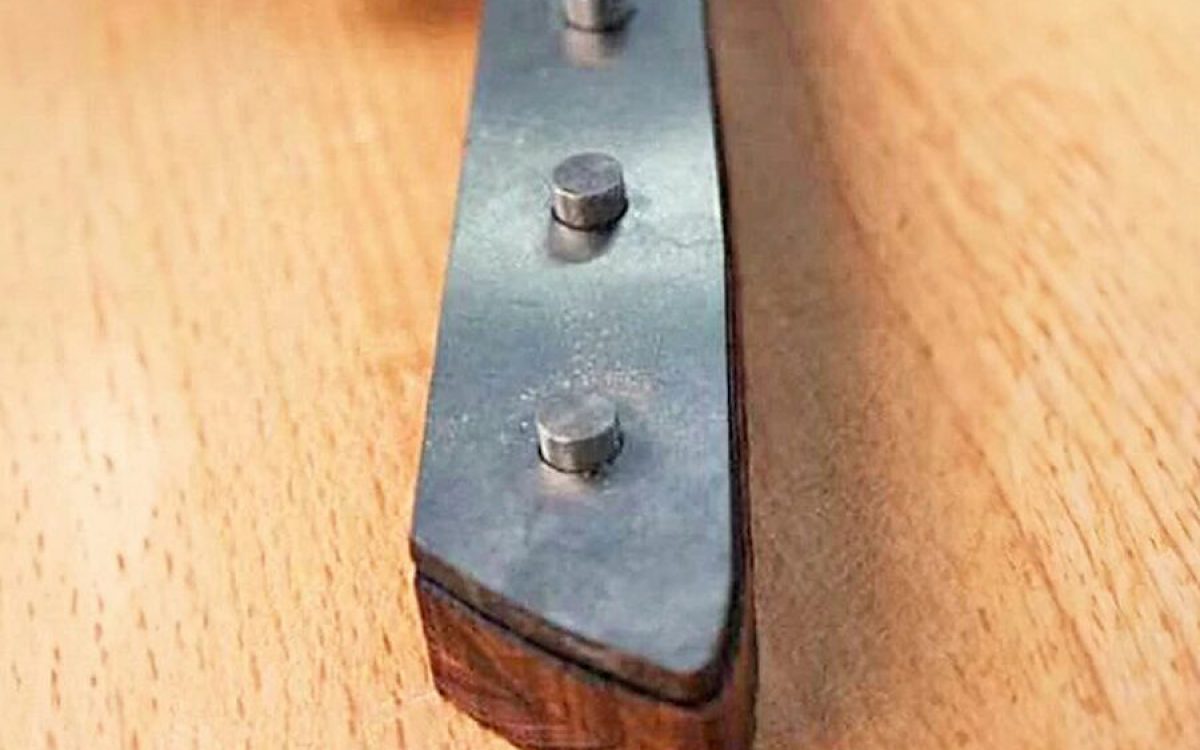
Welding and Handle Attachment in Knife Manufacturing: Bolsters, Tangs and Joints
Where metal meets metal, hygiene and strength both depend on the joint. Welding and mechanical options.
Sep 21, 2026
Compliance Liability in Private Label Knives: How Responsibility Splits Between Brand and Factory
The brand owner is the importer of record and carries the legal duty. What a factory can and cannot take on.
Sep 18, 2026
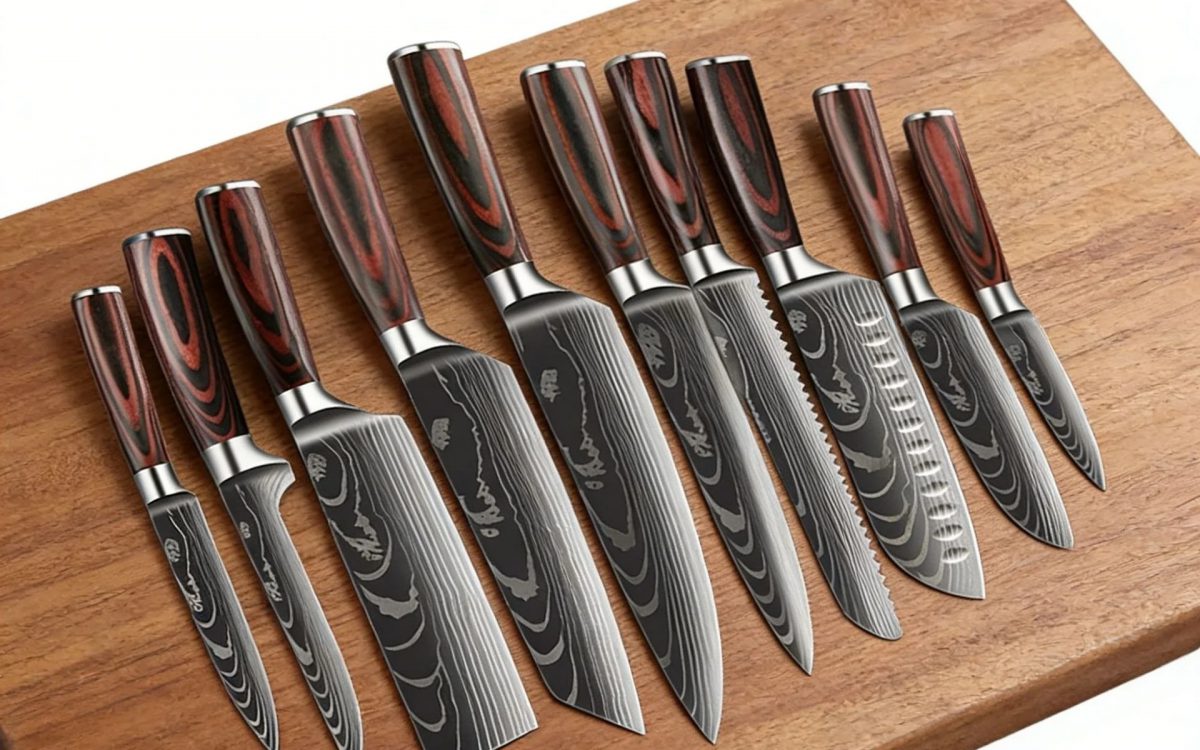
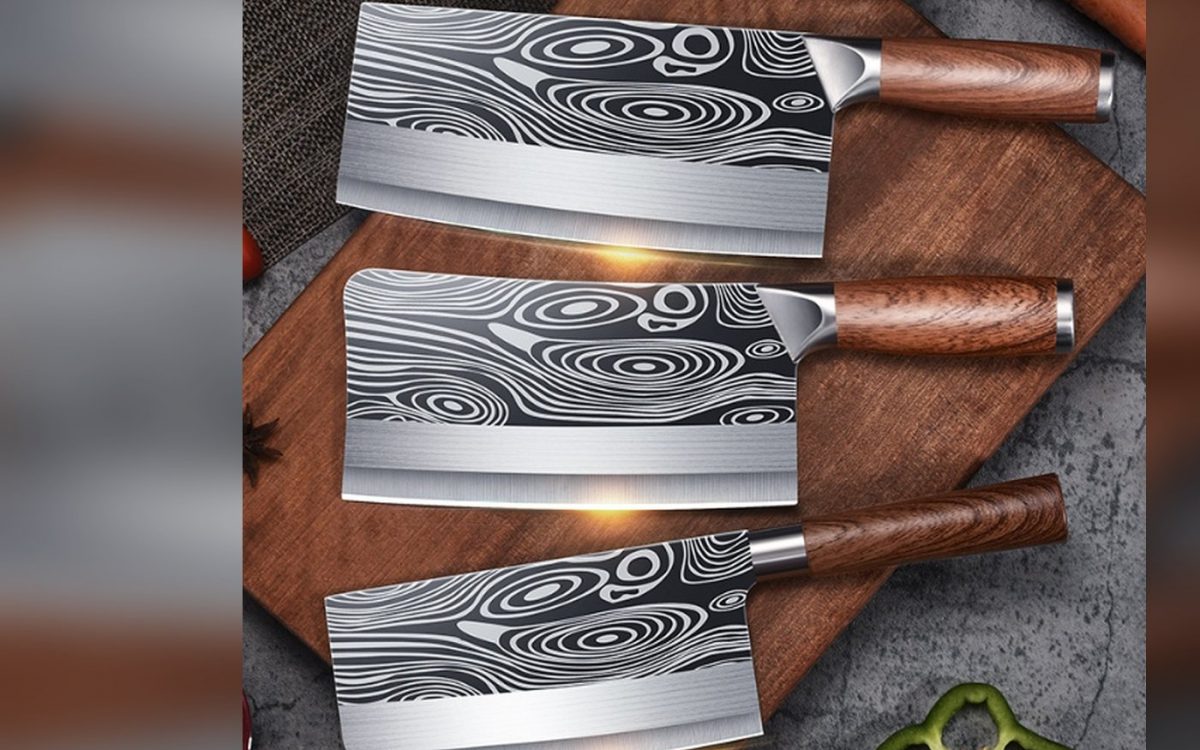
Real Damascus vs Pattern-Welded vs Laser-Etched: How to Tell Them Apart
Three different things are sold as Damascus. How to tell forge-welded, powder and etched blades apart.
Sep 18, 2026
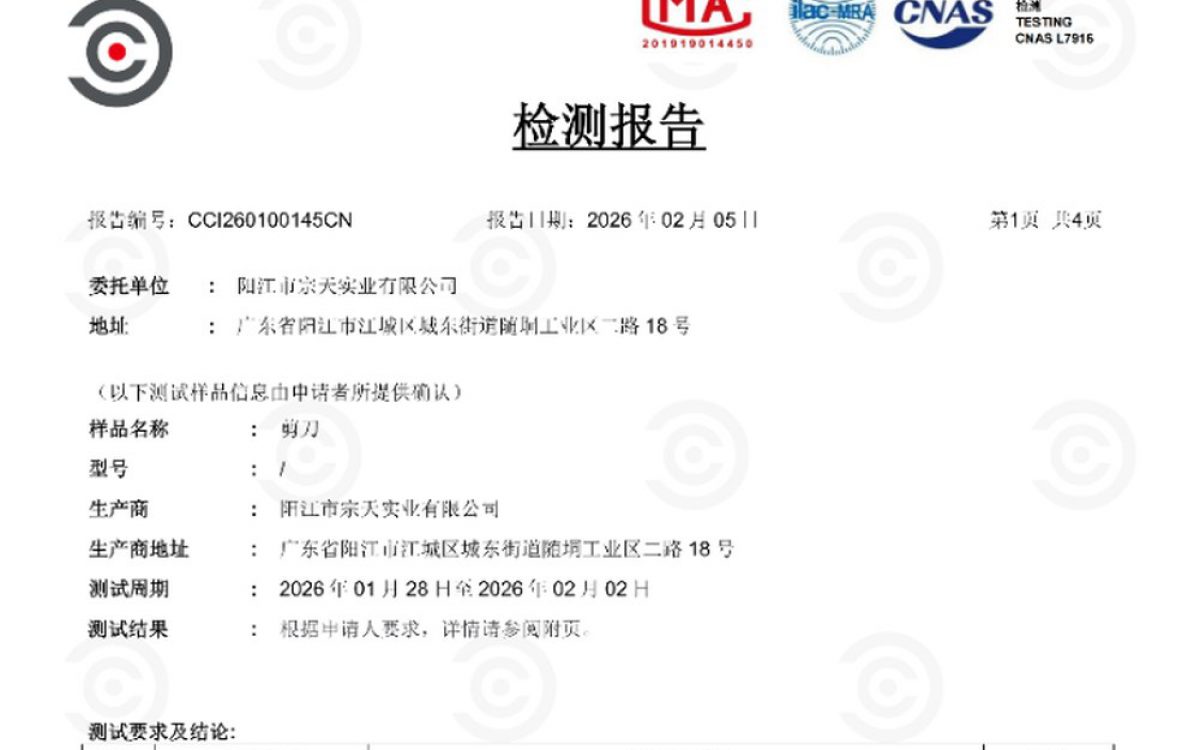
Kitchen Knife Supplier Due Diligence: The Documents Worth Collecting Before Ordering
A due diligence pack that can be checked, not just received. What each document proves and what it does not.
Sep 18, 2026
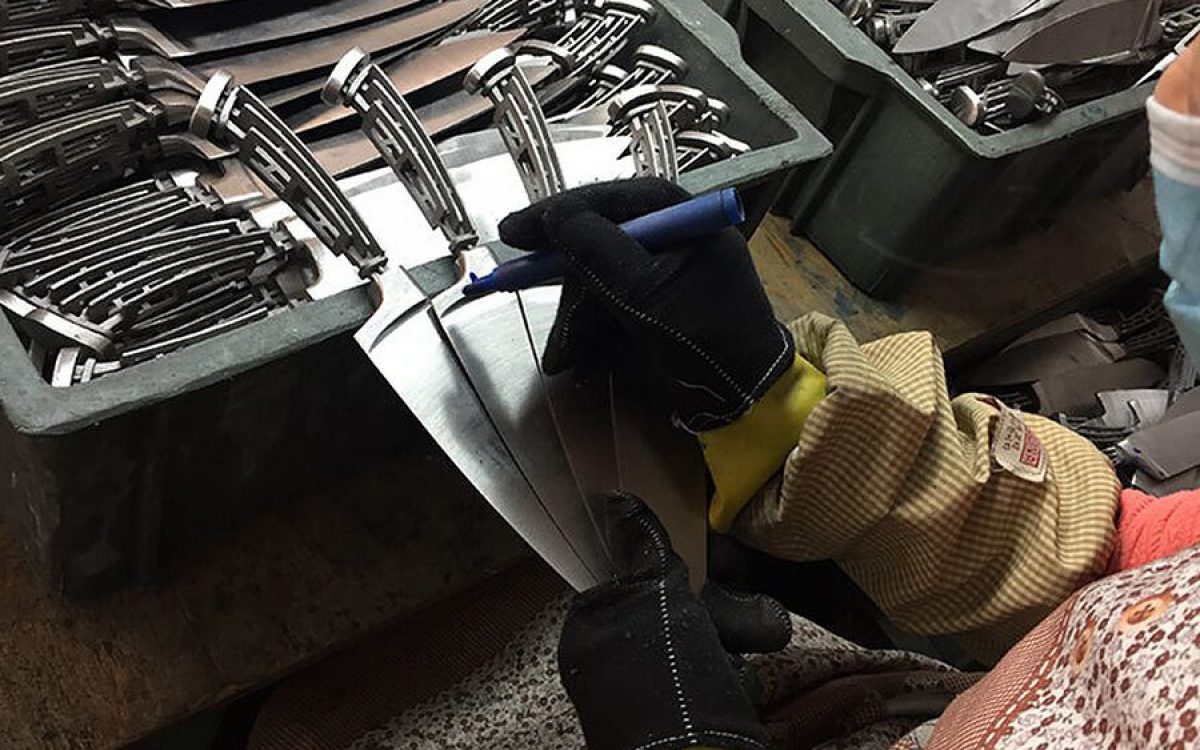
EU CBAM and Metal Products: Indirect Cost Exposure for Kitchen Knife Exporters
Carbon border adjustment reaches upstream steel and aluminium. Tracing it through a finished cutlery article.
Sep 16, 2026
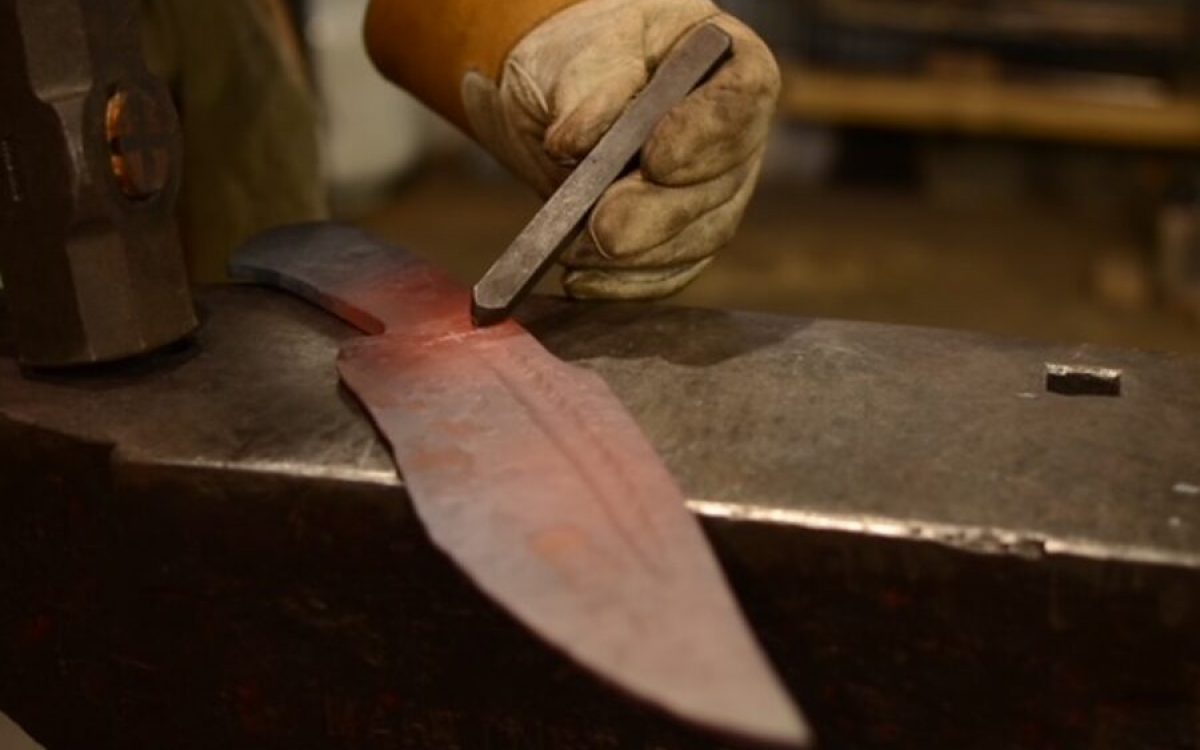
Nickel Release Testing for Knives: The EU Nickel Directive and Food Contact Rules
Two different nickel regimes apply to knives. Which one governs, and what happens if a grade fails it.
Sep 15, 2026
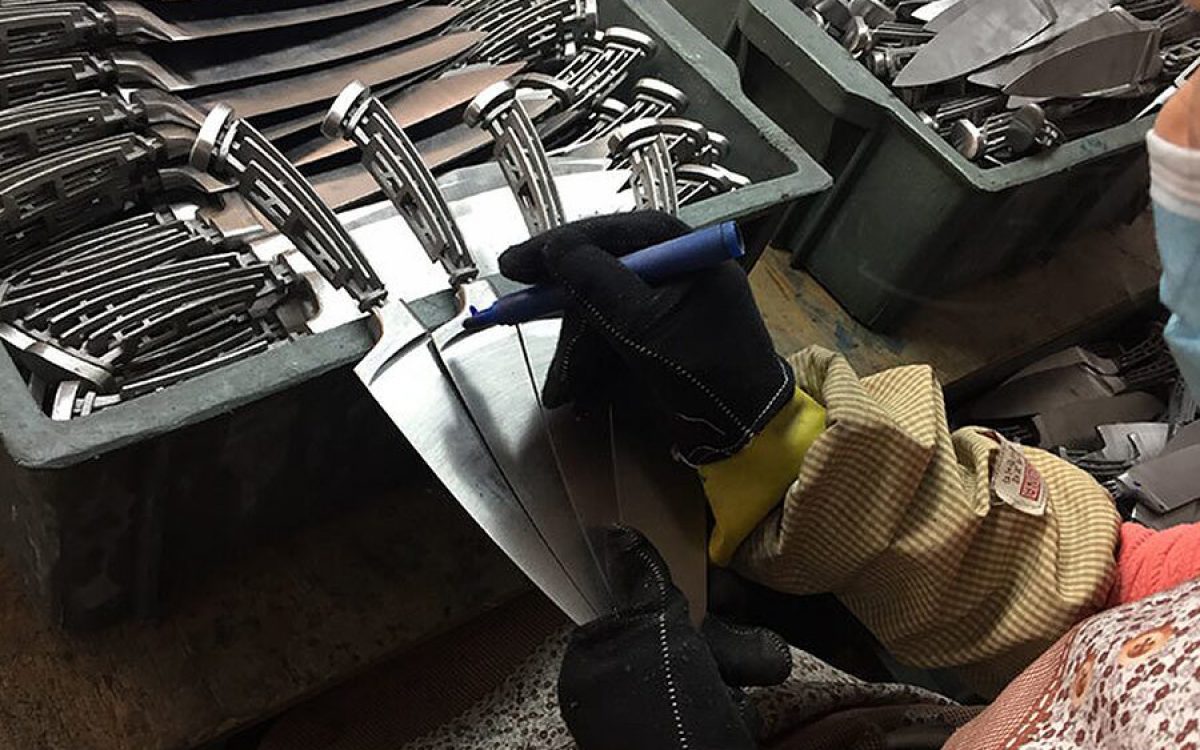
Knife Tooling and Dies: Manufacture, Life and Maintenance Economics
A die is a capital asset with a maintenance schedule. How die life is estimated and when replacement is due.
Sep 15, 2026
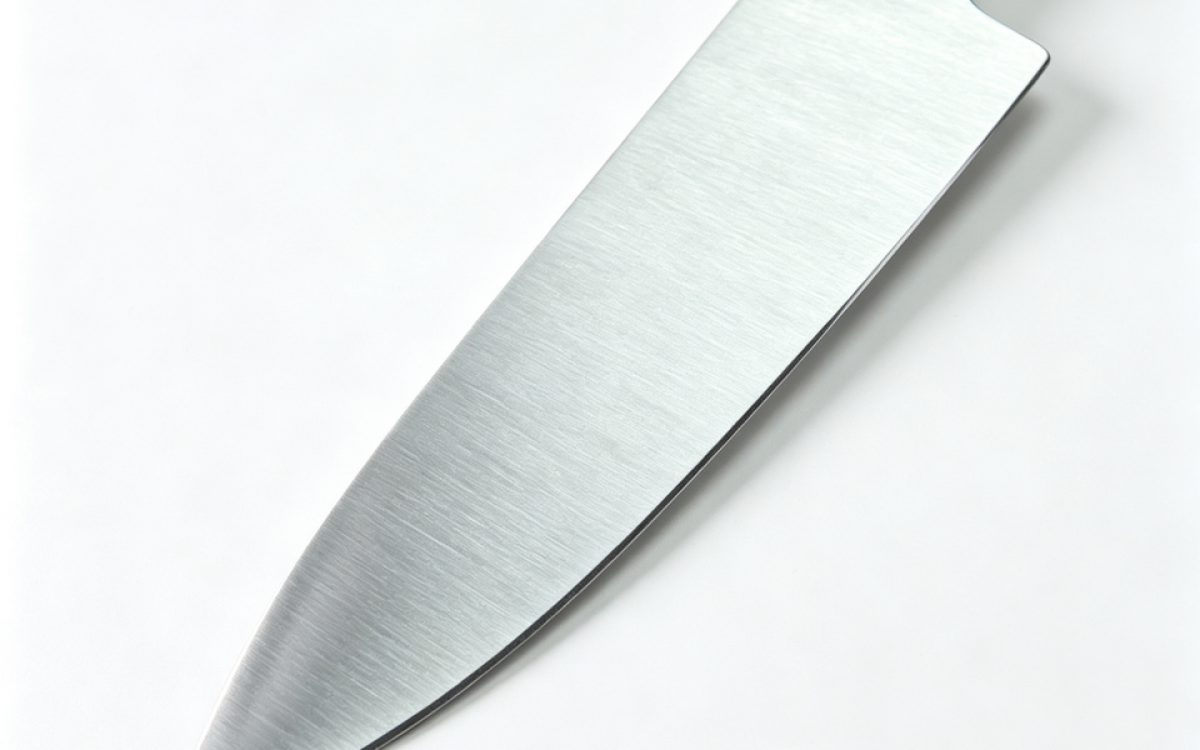
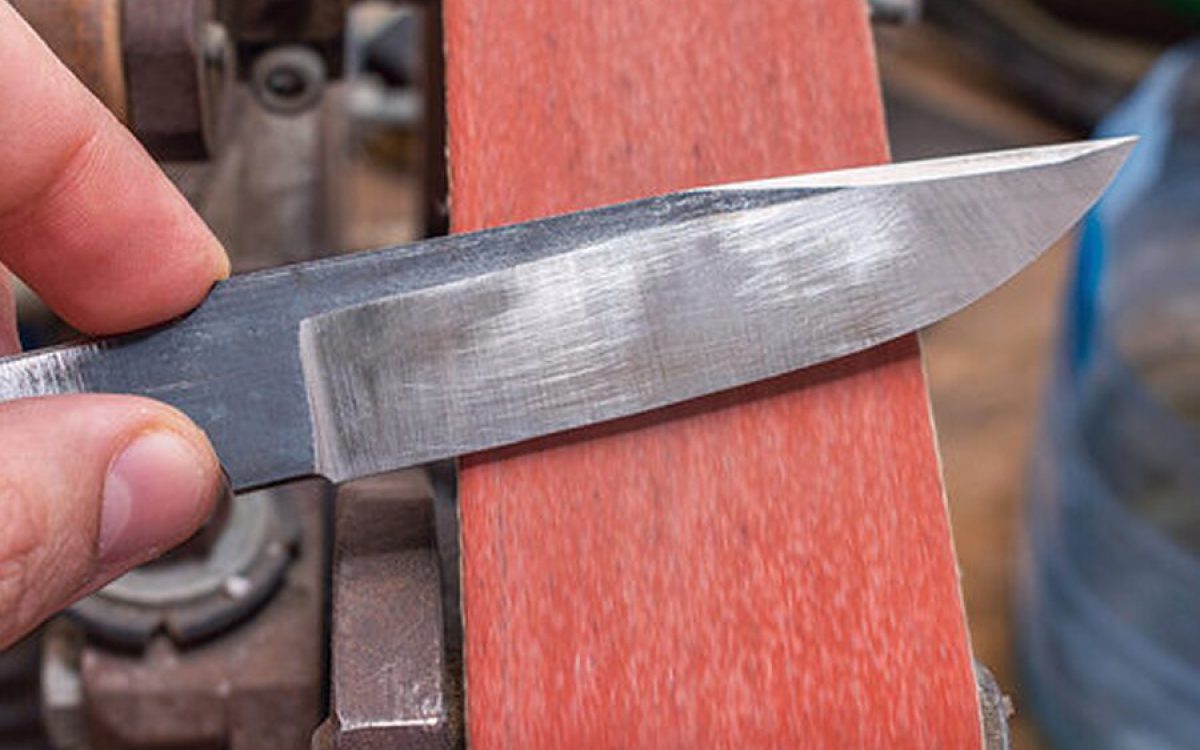
Knife Surface Finishes: PVD, DLC, Sandblast, Satin and Mirror Polish
Coating and finishing options, their wear resistance, food contact status and effect on unit cost.
Sep 15, 2026
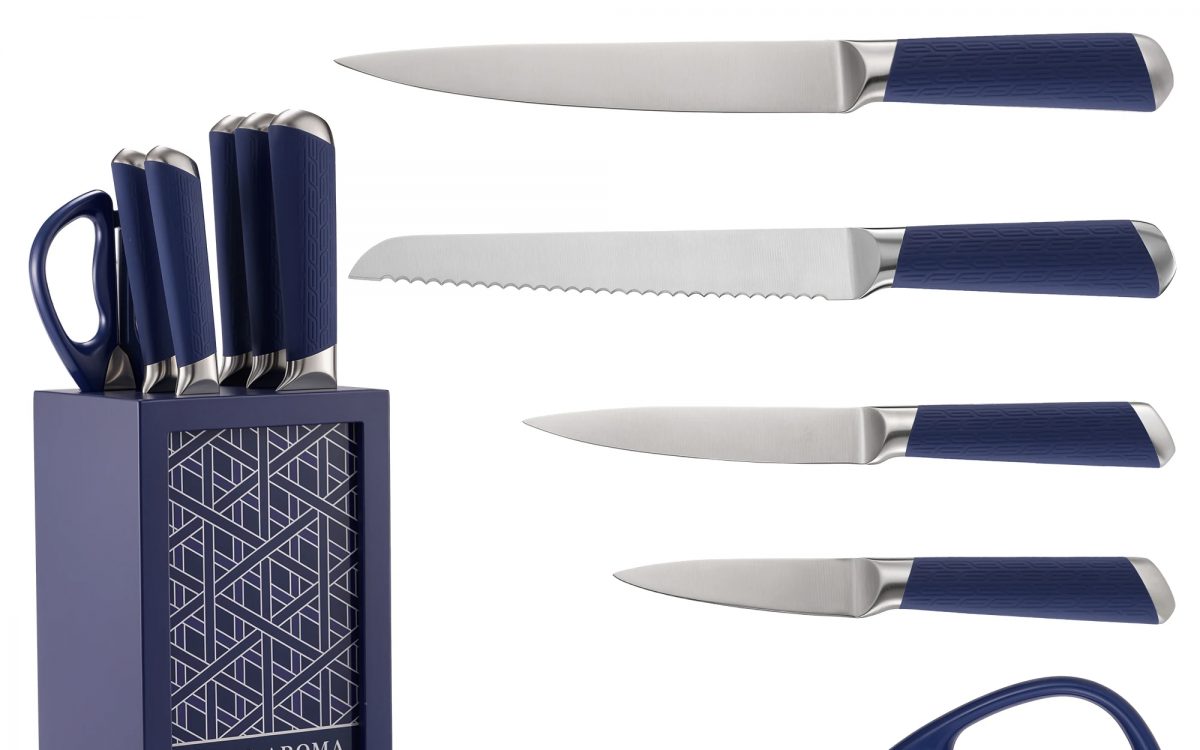
Knife Weight and Balance Point: Designing How a Blade Feels in the Hand
Total weight matters less than where it sits. Balance point, distal taper and the geometry of control.