Blog
Aug 28, 2026
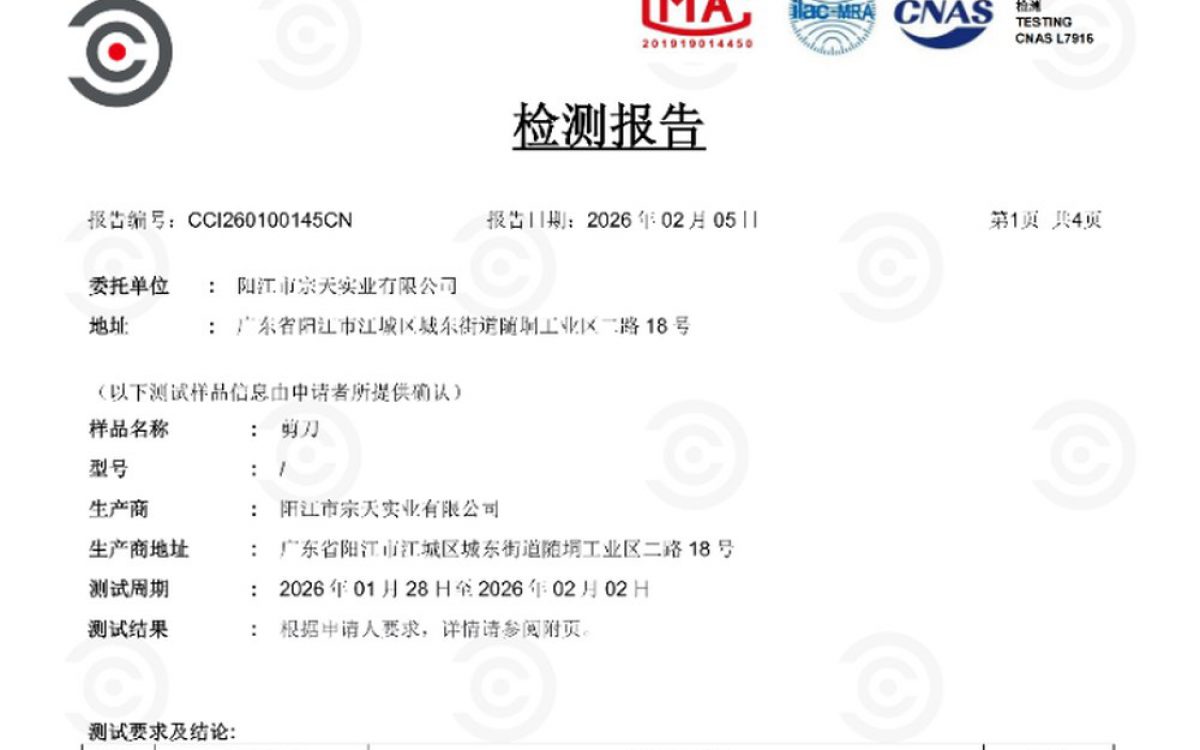
China's GB 4806 Series: Food Contact Metal Standards Explained
The national standard for metal food contact materials, its migration limits and how it compares with the EU.

Aug 26, 2026
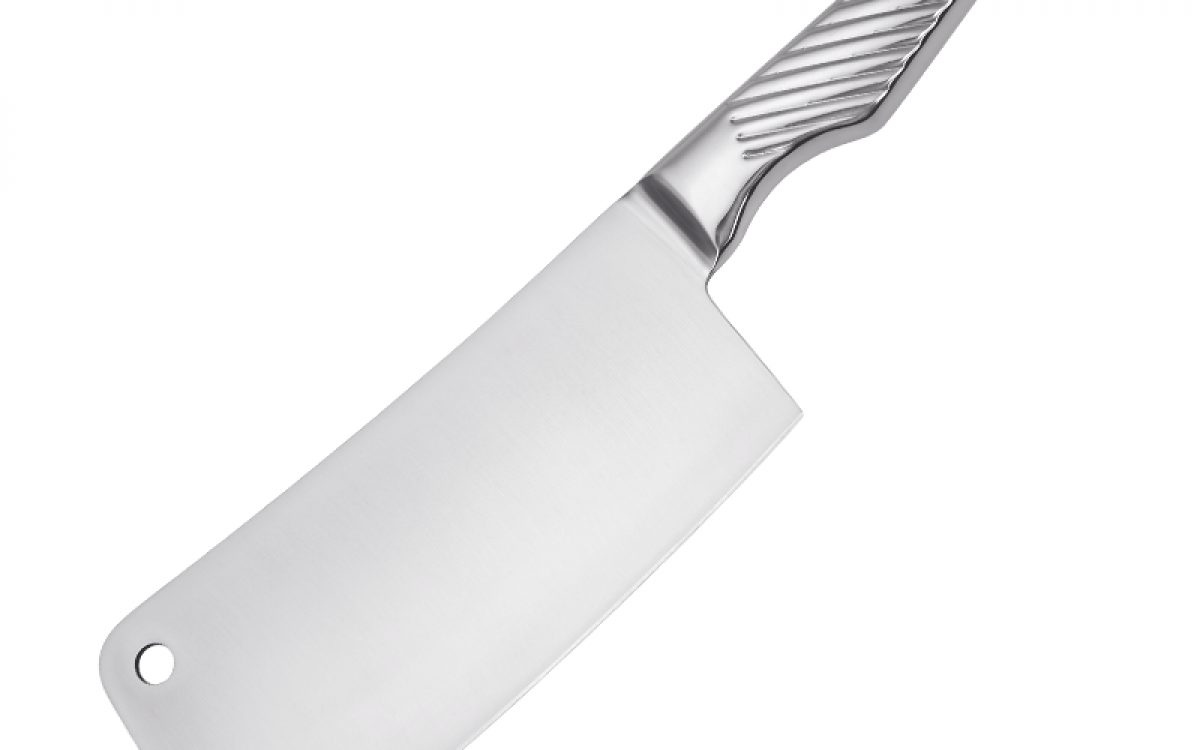
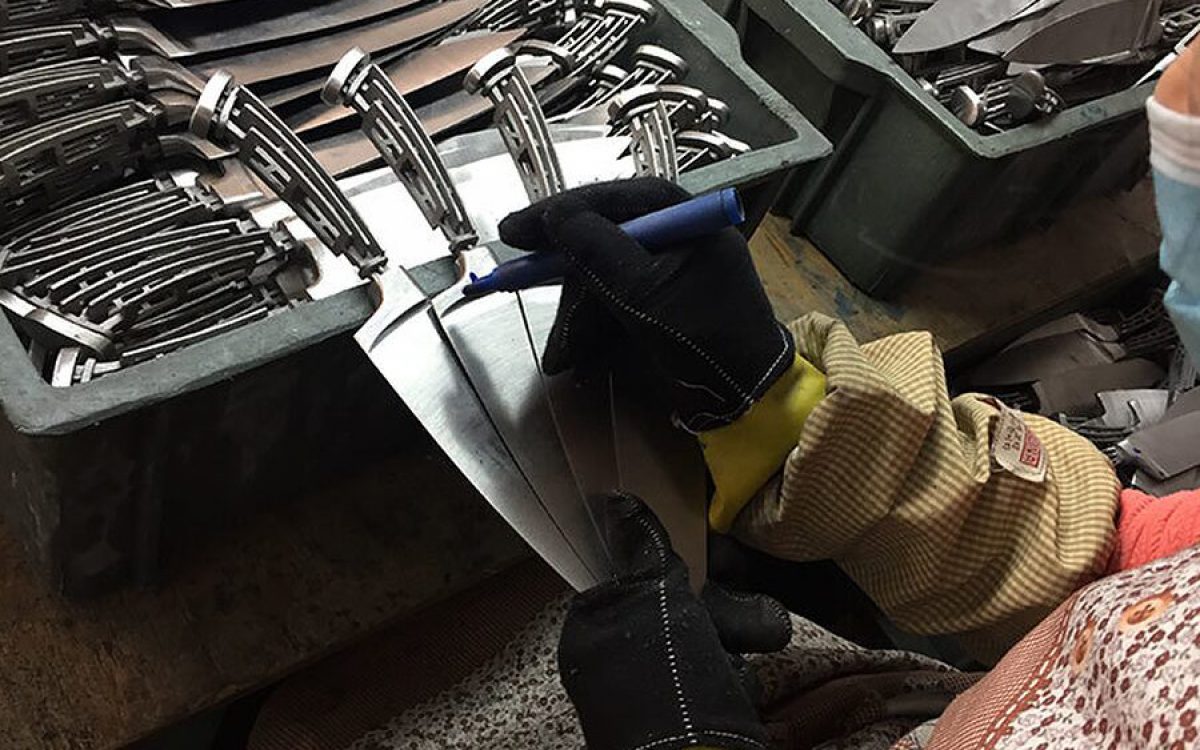
Knife Stamping Lines: Dies, Tonnage, Throughput and What Sets Unit Cost
Stamping is the cheapest way to make a blade. Die design and line speed decide the actual cost curve.
Aug 26, 2026
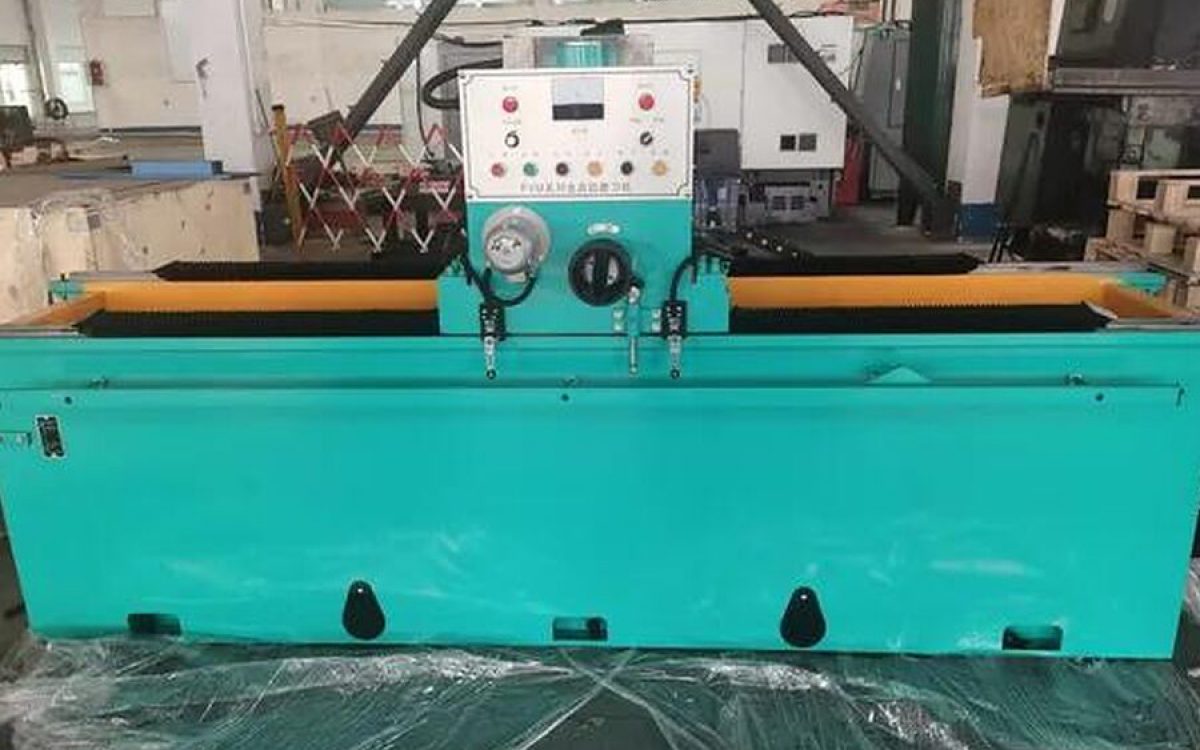
Private Label Kitchen Knives: The Full Process from Concept to Retail Shelf
A private label knife programme has eleven stages. Missing any one of them shows up as a delay or a claim.
Aug 26, 2026
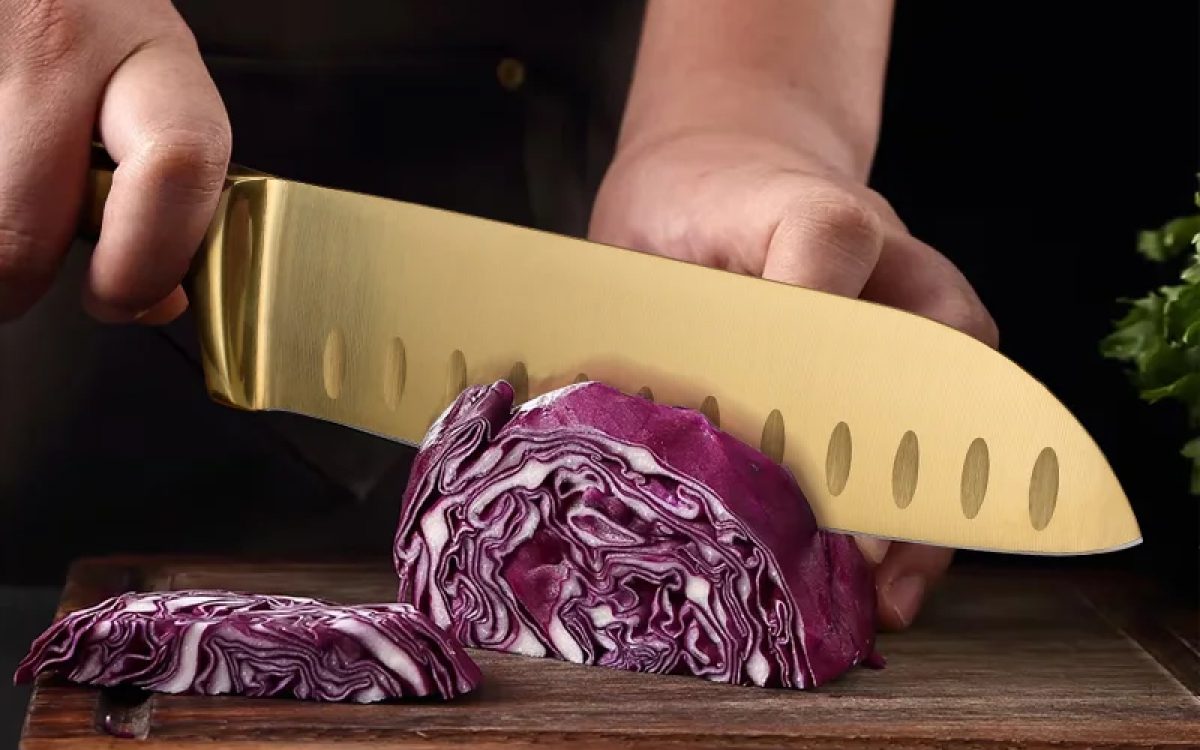
Knife Edge Geometry and Bevel Angles: Sharpness, Retention and CATRA Testing
Why two knives at the same hardness cut differently: bevel angles, edge thickness and grind types.
Aug 25, 2026
Dual Sourcing Kitchen Knives: When a Second Supplier Is Worth the Cost
A second source doubles your sampling and tooling. It also removes single-point failure. How to decide.
Aug 24, 2026
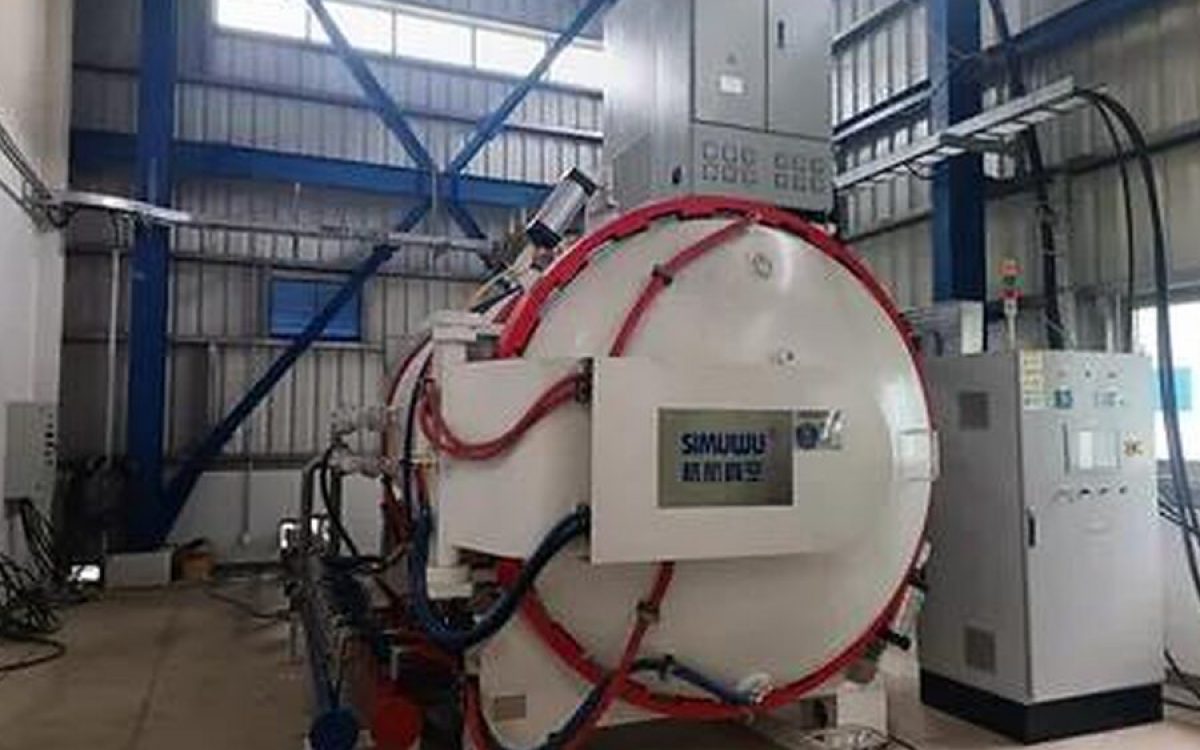
Steel Costs, Tariffs and Anti-Dumping: What Changed for Kitchen Knife Sourcing in 2026
The cost stack behind a landed kitchen knife, and why two quotes for the same description can differ.
Aug 24, 2026
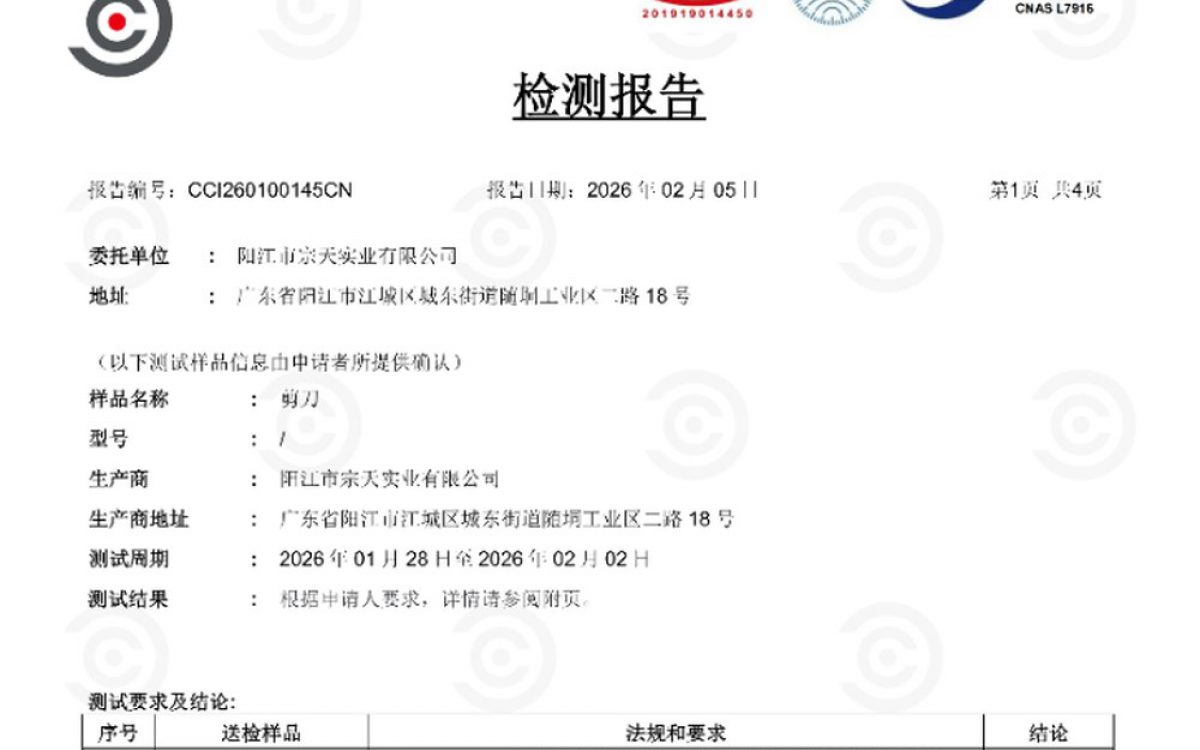
Food Contact Compliance for Kitchen Knives: EU 1935/2004 and Regulation 10/2011
The EU framework sets the duty, the implementing measure sets the numbers. What a knife file must contain.
Aug 24, 2026
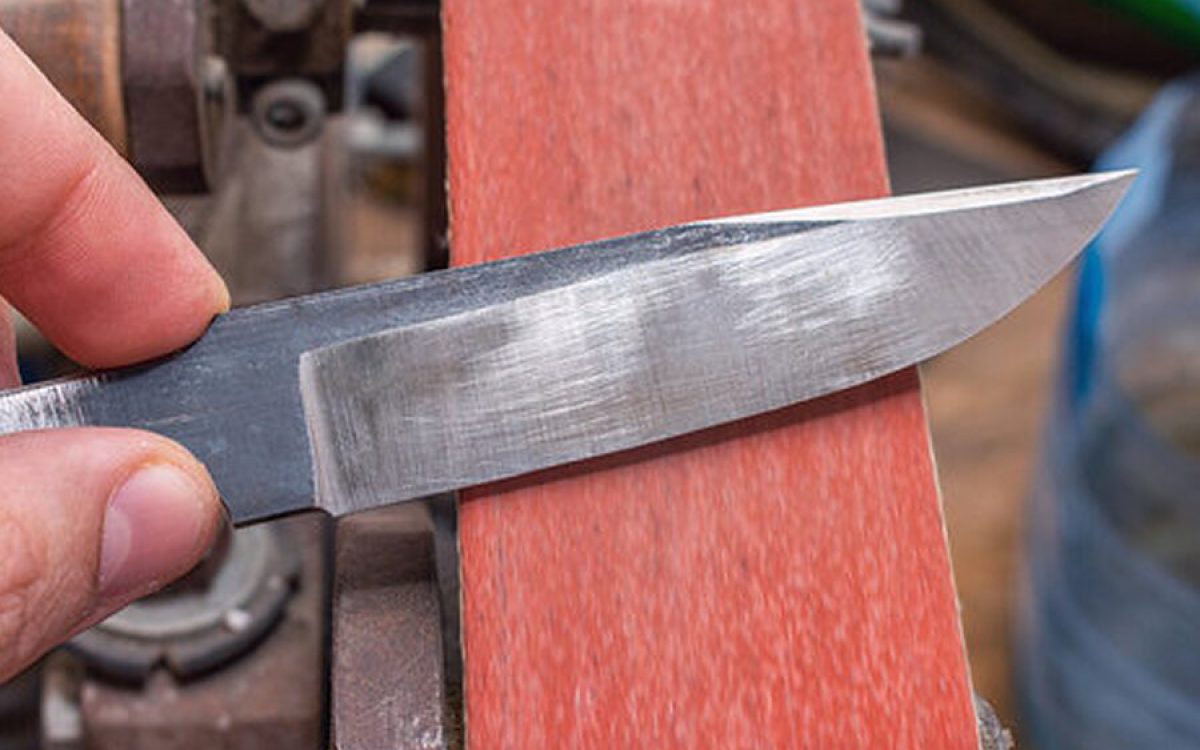
Knife Polishing and Surface Finishing: Processes, Abrasives and Consistency
Satin, mirror, tumble and brush finishes. How each is produced and why consistency is harder than shine.
Aug 21, 2026
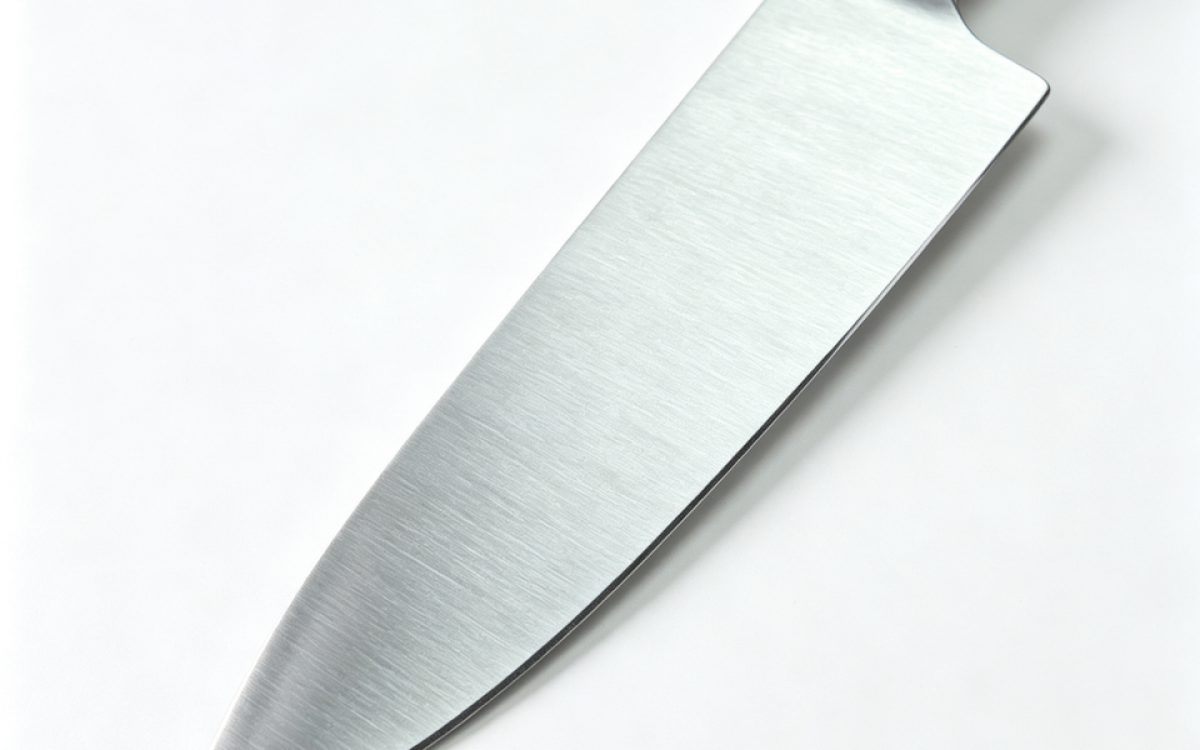
How a Kitchen Knife OEM Quotation Should Be Structured
A quote that can be compared, audited and traced. The fields a cutlery OEM quotation should always include.
Aug 21, 2026
Knife Dishwasher Safety: Failure Modes, Test Methods and What to Label
Detergent, heat and mechanical contact attack handles and edges. Testing and labelling that match reality.